

 January 29, 2026
Clinical Validation of Ayurveda Treatment in Chronic Kidney Disease
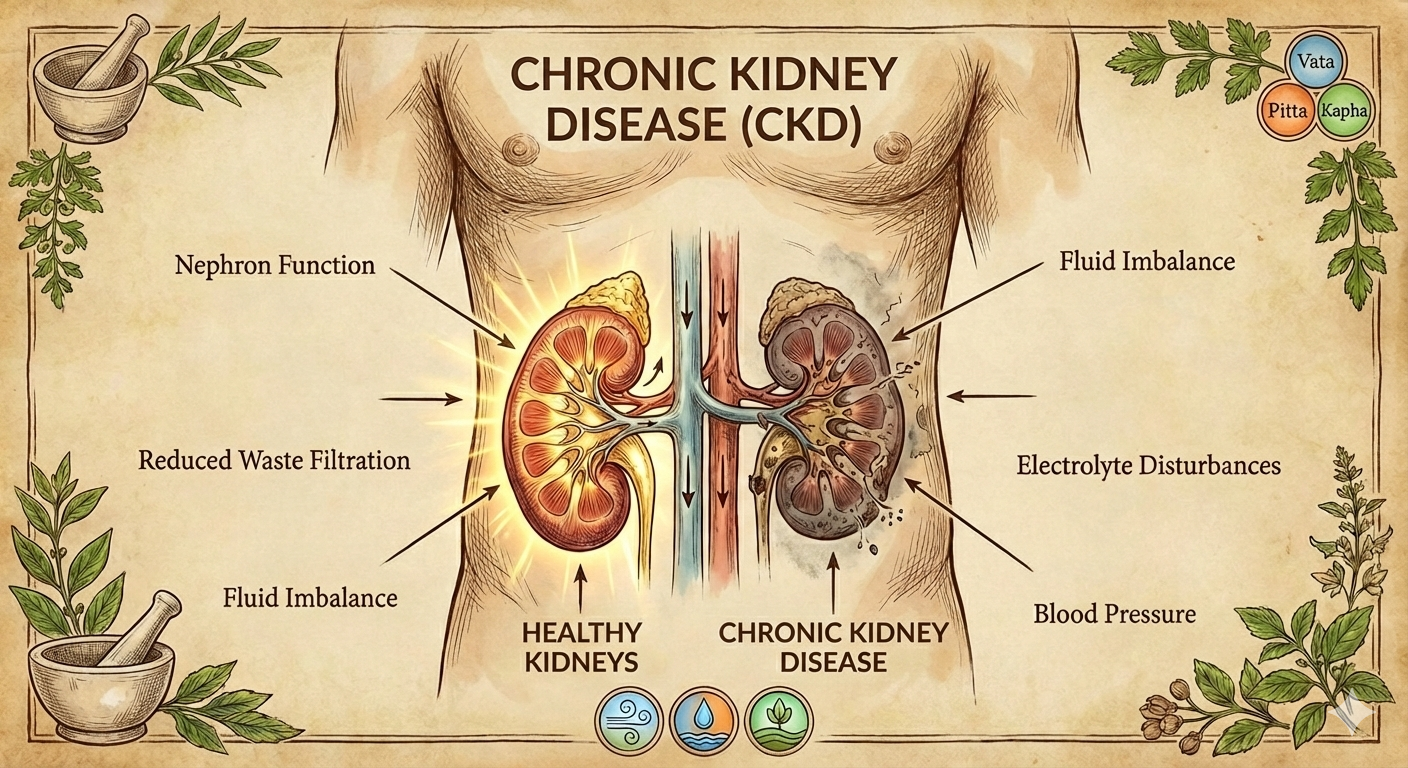
Chronic Kidney Disease (CKD) is a progressive condition where kidney function declines over time, often leading to serious complications such as toxin buildup, fluid imbalance, anemia, and cardiovascular risks. With rising global prevalence and the high cost of dialysis and transplantation, there is increasing interest in safe, supportive, and holistic treatment approaches. Learn more in our kidney disease treatment approach.
A clinical study conducted on CKD patients explored how Ayurvedic formulations may help manage symptoms and improve biochemical markers associated with kidney function.
Understanding CKD from an Ayurvedic Perspective
In Ayurveda, CKD can be correlated with Mutravaha Srotas Vikara (disorders of the urinary channels). The condition is understood as:
Tridosha imbalance (especially Vata and Kapha)
Agnimandya (weak digestive/metabolic fire)
Srotosanga (blockage in microchannels)
Accumulation of metabolic wastes in the body
Ayurvedic management focuses on:
✔ Enhancing metabolic function (Agni) ✔ Clearing channel obstruction ✔ Supporting urine flow ✔ Reducing inflammation and swelling ✔ Rasayana (rejuvenative) support for tissue nourishment
About the Clinical Study
A clinical study was conducted on 50 patients with Chronic Kidney Disease. Many participants also had diabetes, hypertension, or a history of dialysis. Patients were treated for 30 days with Ayurvedic formulations including:
T. Renal KFT
T. Renal Plus
T. Nephra Plus
T. Renal Win
T. Renal Care
Key laboratory parameters measured before and after treatment:
Serum Creatinine
Blood Urea
Uric Acid
Hemoglobin
Associated CKD symptoms
Key Findings
The study reported both symptomatic relief and improvements in laboratory markers.
1. Symptom Improvement
Patients experienced significant relief in:
Swelling (edema)
Nausea
Breathlessness
Weakness
Poor appetite
Body pain
Disturbed sleep
Many symptoms showed marked reduction in severity after treatment. 2. Improvement in Kidney Function Markers Parameter Average Change
Serum Creatinine ↓ 29.7%
Blood Urea ↓ 32.3%
Uric Acid ↓ 14.3%
Hemoglobin increase
A notable number of patients showed moderate to good reductions in serum creatinine levels, including individuals with prior dialysis history. How Ayurvedic Herbs May Support Kidney Health
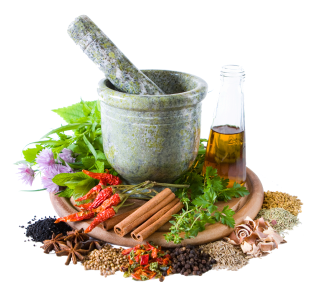
The formulations used contained traditional herbs known in Ayurveda for:
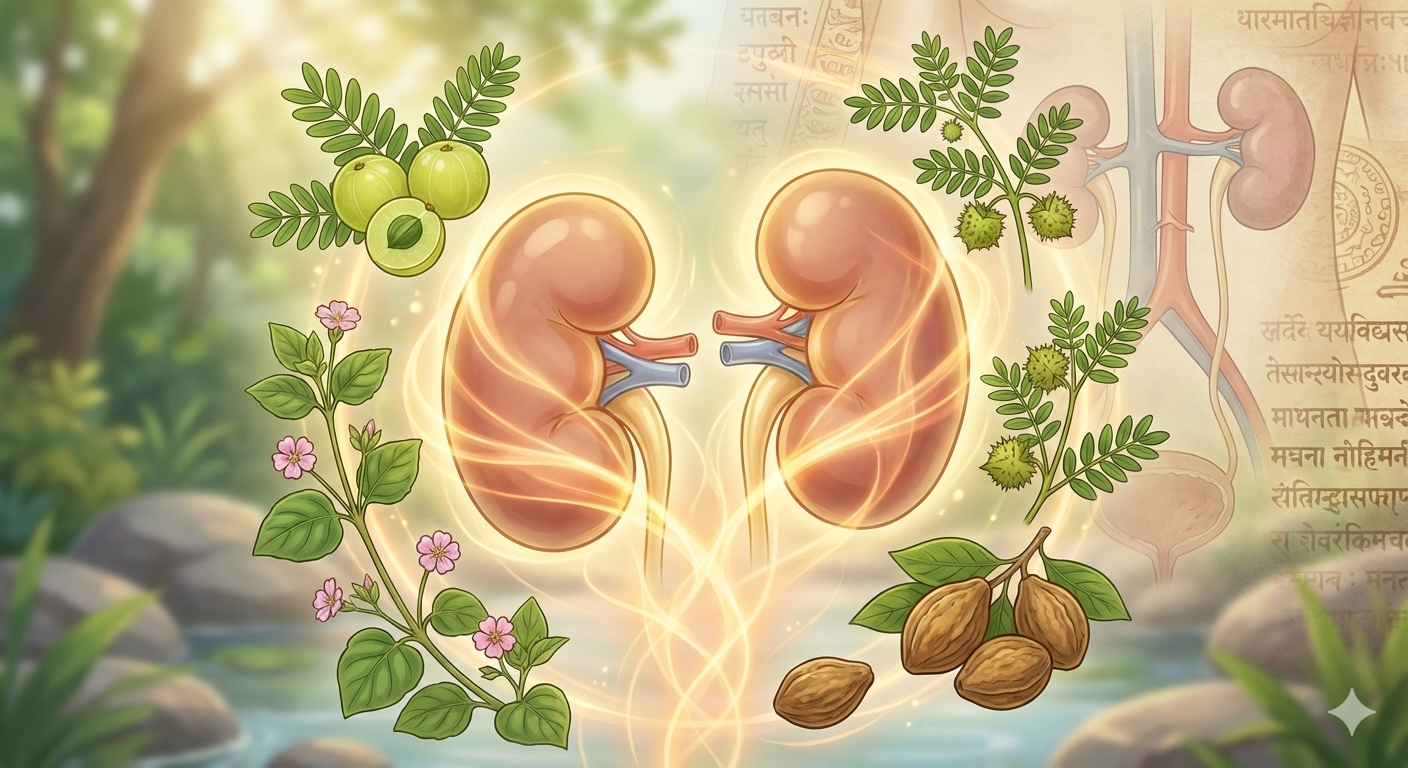
Punarnava – supports fluid balance and reduces swelling
Gokshura – supports urinary system health
Amla – antioxidant and rasayana support
Haritaki & Baheda – cleansing and metabolic support
Pushkarmool & Kali Mirch – anti-inflammatory and digestive enhancement
These herbs are traditionally described as helping to reduce internal toxin load, support metabolism, and maintain proper fluid balance.
Why This Matters for CKD Patients
CKD management often focuses on slowing disease progression, managing symptoms, and maintaining quality of life. The study suggests that Ayurvedic approaches may serve as supportive care by:
Helping reduce symptom burden
Supporting metabolic and urinary function
Potentially improving lab indicators when used under supervision
Important Note
Ayurvedic care for CKD should always be taken under the guidance of qualified practitioners and in coordination with a nephrologist. Patients should not discontinue prescribed medications or dialysis without medical supervision. Integrative care is often the safest approach.
Conclusion
This clinical study highlights the potential role of Ayurveda as a supportive system in Chronic Kidney Disease management. By addressing systemic imbalance, digestion, inflammation, and fluid metabolism, Ayurvedic formulations may help improve patient comfort and support kidney health when used responsibly.
For individuals seeking a more holistic path alongside conventional care, Ayurveda offers a traditional framework that focuses on restoring balance and improving quality of life.
Explore our Ayurvedic kidney treatment options for personalized guidance.




Truly inspiring! Ayurveda has changed my life for the better.